

Live from choice, not conditioning
Much of what we call “personality” is actually conditioning.
The way you respond in relationships.
How quickly you say yes.
The urge to explain yourself, minimise your needs, or stay quiet to keep the peace.
These patterns often feel automatic, not because they’re who you are, but because they were learned early as ways to stay safe, connected, or accepted.
Living from conditioning isn’t a failure. It’s a nervous system doing its job.
But over time, those automatic responses can begin to limit how freely and honestly you live.
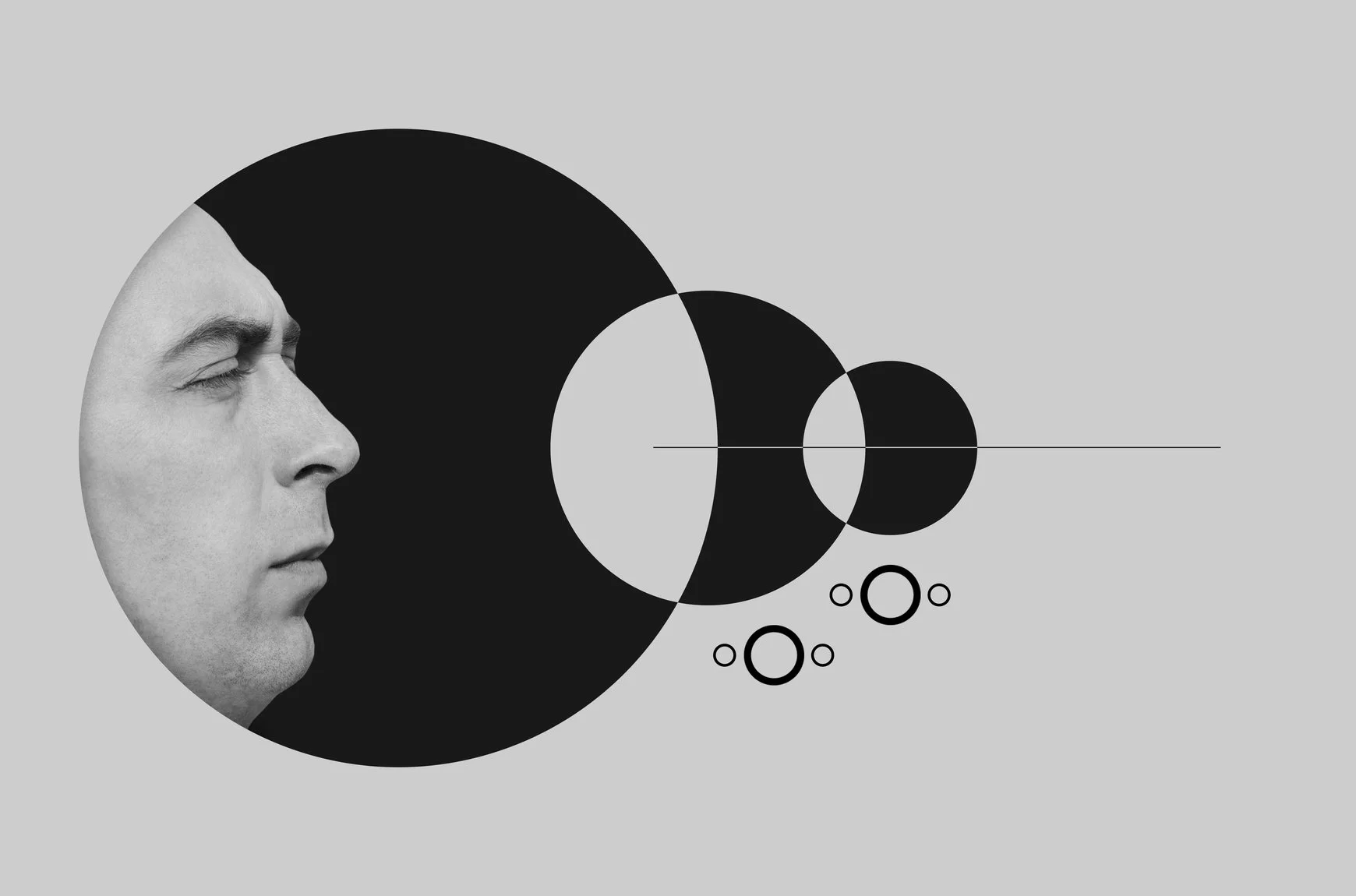
Conditioning Is What Happens When Safety Comes From Adaptation
Conditioning forms when we learn that certain parts of us are more acceptable than others.
Maybe you learned to be agreeable because conflict felt unsafe.
Maybe you learned to perform competence to avoid being misunderstood.
Maybe you learned to disconnect from your body to cope with overwhelm.
These strategies were intelligent. They worked, at least for a time.
The problem isn’t that they exist, it’s that they may still be running the show long after the original threat has passed.
When this happens, life can start to feel constricted. You may sense that you’re making decisions for others, or against yourself, without fully understanding why.
Choice Requires Capacity
We often tell ourselves we should “choose differently.” Set better boundaries. Speak up more. Slow down. Rest.
But choice isn’t just a mindset. It’s a physiological state.
When your nervous system is dysregulated, your options narrow. You default to what’s familiar. You react instead of respond. You move from impulse or avoidance rather than clarity.
This is why change doesn’t stick when it’s driven by willpower alone.
Choice becomes available when your body feels safe enough to pause.
From Automatic to Intentional
Living from choice doesn’t mean analysing every decision or becoming hyper-aware of yourself.
It means noticing when something is coming from habit rather than alignment.
You might begin to ask:
Am I doing this because it feels right, or because it feels expected?
Is this a response rooted in fear, or in trust?
What would I choose if I didn’t have to protect myself right now?
These questions aren’t meant to judge your answers. They’re invitations to slow down and listen.
Over time, as your nervous system becomes more regulated, the space between stimulus and response widens. In that space, choice lives.
Choosing Yourself Isn’t Selfish
Many people hesitate to live from choice because it feels risky.
They worry about disappointing others, being misunderstood or losing connection.
But living from conditioning comes at a cost , often paid quietly through burnout, resentment, or a sense of disconnection from yourself.
Living from choice doesn’t mean rejecting others. It means including yourself in the equation.
It allows your actions to be guided by values rather than fear, and your relationships to be built on authenticity rather than accommodation.
A Different Way of Living
Living from choice, not conditioning, is a gradual process. It doesn’t require you to change who you are, only to become more attuned to what’s driving you.
With support, safety, and practice, old patterns soften. New options emerge. And decisions begin to feel less reactive and more grounded.
Not because you forced them to change, but because your system no longer needs to stay on guard.
Ready to explore what living from choice could look like for you?
You can learn more about working together, or begin with a Complimentary Discovery Call to see what kind of support feels aligned.